

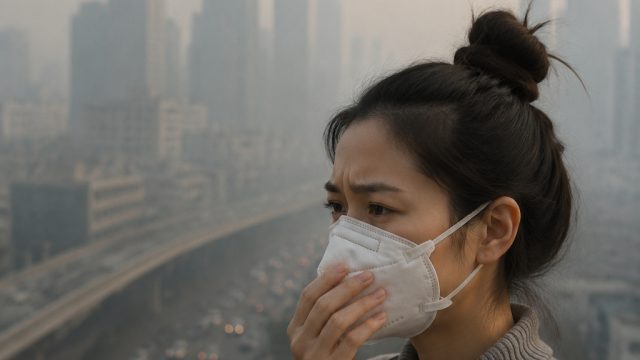
As we navigate through 2023, the issue of air pollution has taken center stage, especially in urban areas where industrial activities are prominent. The release of harmful pollutants into the air poses serious risks not just to the environment but also to public health. This article delves into the critical implications of air pollution, examining both the health risks associated with it and possible solutions to mitigate its effects.
The Health Risks of Air Pollution
A growing body of research indicates that exposure to air pollutants is linked to several serious health conditions. Here are some primary pollutants and the health issues they are associated with:
- Nitrogen Dioxide (NO2): Often produced by vehicles and industrial activities, NO2 can lead to respiratory problems, aggravating asthma and other lung diseases.
- Sulfur Dioxide (SO2): Emitted from fossil fuel combustion, SO2 is known to contribute to respiratory diseases and can exacerbate existing heart conditions.
- Fine Particulate Matter (PM2.5): These tiny particles can penetrate deep into the lungs, causing cardiovascular diseases and respiratory issues, and are particularly dangerous for children and the elderly.
- Benzene: Commonly found in vehicle emissions and industrial discharges, long-term exposure to benzene is linked to blood disorders and an increased risk of cancer.
Why This Matters Now
With recent developments in various regions, particularly those that have committed to supporting fossil fuel industries, the release of these harmful pollutants is expected to increase significantly. This not only threatens local air quality but also raises alarms regarding the long-term health of residents in these areas.
The Impact on Vulnerable Populations
Certain groups are more susceptible to the adverse effects of air pollution. These include:
- Children: Developing lungs make children more vulnerable to the harmful effects of air pollutants, leading to developmental issues.
- The Elderly: Older adults often have pre-existing health conditions that can be aggravated by poor air quality.
- Individuals with Pre-existing Conditions: Those with asthma, COPD, or heart diseases are at greater risk of severe complications from air pollution.
What Can Be Done?
Addressing air pollution requires a multifaceted approach. Here are some strategies that can be implemented:
1. Policy Change and Regulation
Governments must take decisive action to regulate emissions from industries known to contribute significantly to air pollution. This can include:
- Implementing stricter emission standards for vehicles and industrial facilities.
- Promoting the use of clean energy alternatives to reduce reliance on fossil fuels.
2. Community Awareness and Involvement
Raising awareness about the health risks associated with air pollution is critical. Communities can:
- Organize local forums to educate residents about pollution sources and effects.
- Encourage community clean-up and tree-planting initiatives to improve air quality.
3. Sustainable Practices
Individuals and businesses can adopt sustainable practices such as:
- Reducing vehicle usage by carpooling, biking, or using public transport.
- Investing in energy-efficient appliances and practices to minimize overall energy consumption.
Conclusion
The challenge of air pollution is urgent and multifaceted. As communities face the rising threat of poor air quality due to increased emissions, collective action is paramount. By understanding the health risks and working towards sustainable solutions, we can create a healthier environment for current and future generations. It’s time to prioritize air quality and health by making informed choices that contribute to a cleaner, safer atmosphere.